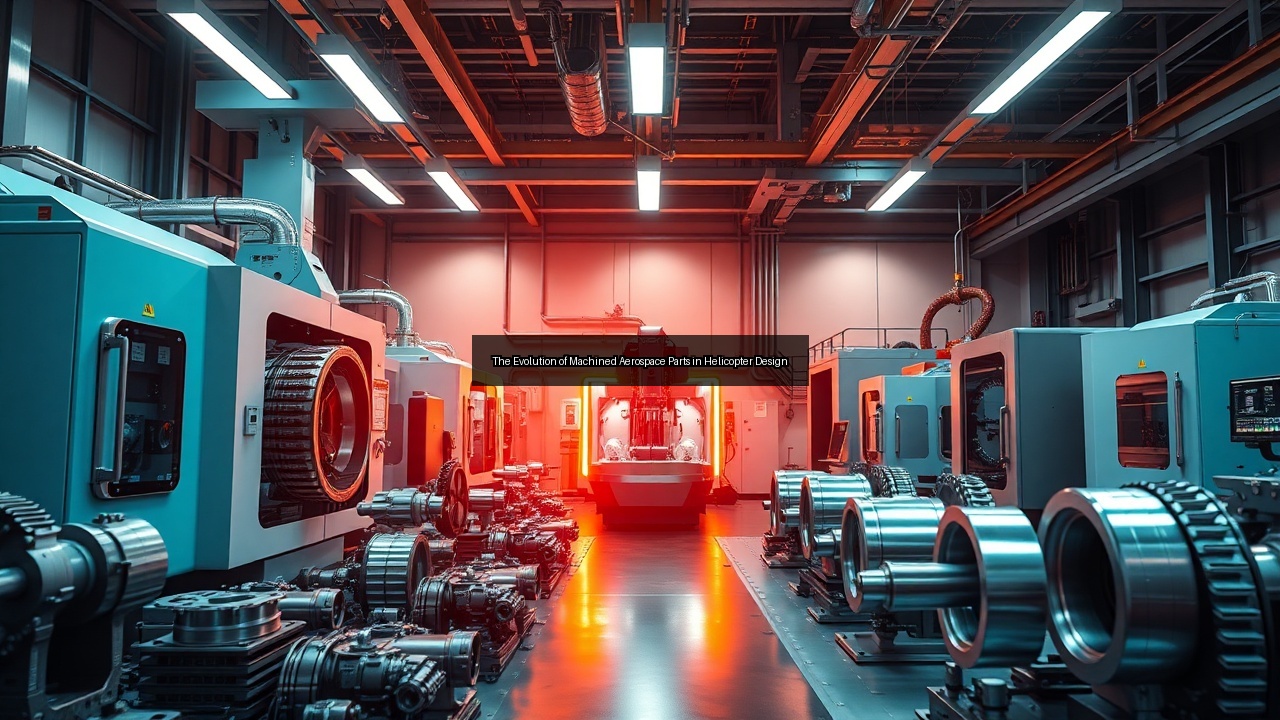
The Evolution of Machined Aerospace Parts in Helicopter Design
Historical Perspectives on Helicopter Design and Machining
Early Innovations in Helicopter Manufacturing
The journey of helicopter design began in the early 20th century, marked by pioneering innovations that set the stage for modern aviation. Early inventors experimented with various rotor designs and lightweight materials. The first successful helicopters relied heavily on rudimentary machining techniques and limited material selections, primarily focusing on wood and early alloys. As the demand for more robust and reliable aircraft grew, manufacturers began integrating metals like aluminum into their designs. This shift resulted in lighter, more durable helicopters capable of withstanding the rigors of flight. The evolution of these early manufacturing processes paved the way for the sophisticated machining techniques used in aerospace today.
The Role of Metals: Aluminum and Titanium in Aerospace Parts
Metals play a critical role in helicopter design, particularly aluminum and titanium. Aluminum, known for its lightweight and corrosion-resistant properties, became a staple in aerospace manufacturing. Its machinability allows for precision components that meet stringent tolerances essential for safety and performance. Titanium, while heavier than aluminum, offers superior strength-to-weight ratios, making it invaluable for high-stress components like rotor blades and engine parts. These materials revolutionized helicopter design, providing engineers with the ability to create stronger, more efficient aircraft. The incorporation of these advanced materials marked a significant milestone in the evolution of machined aerospace parts, influencing both performance and safety in helicopter operations.
Transition from Conventional to CNC Machining Techniques
The advent of Computer Numerical Control (CNC) machining transformed the manufacturing landscape in the aerospace sector. Traditional machining methods relied heavily on manual labor, which often introduced variability and inconsistency in the final product. CNC machining introduced automation, allowing for precise control over cutting tools and processes. This technology enabled manufacturers to achieve tighter tolerances and replicate complex geometries with ease. As helicopter designs became more intricate, the need for advanced CNC machining services became apparent. Today, CNC machined components represent the backbone of modern helicopter design, ensuring that every part meets the exacting standards of the aviation industry.
Modern Advances in Machined Aerospace Parts
Precision and Tolerances: The New Standards in Aerospace
The aerospace industry demands unparalleled precision and stringent tolerances in the manufacturing of machined parts. Helicopter components must withstand extreme forces and environmental conditions, necessitating exact specifications that traditional methods cannot reliably achieve. Innovations in CNC machining have significantly improved the ability to produce parts that meet these rigorous standards. Advanced software and tools allow for real-time monitoring and adjustments during the machining process, ensuring that each component adheres to the required tolerances. This commitment to precision enhances safety and performance in aviation, making high-quality machining services indispensable in helicopter design.
The Importance of Coatings in Helicopter Parts
Coatings play a pivotal role in extending the lifespan and performance of helicopter components. The harsh operating environment of aviation exposes parts to wear, corrosion, and thermal stress. Engineers utilize specialized coatings to enhance the durability of machined parts. For instance, thermal barrier coatings protect engine components from extreme heat, while anti-corrosion coatings safeguard external surfaces against environmental damage. These coatings not only improve the longevity of parts but also reduce maintenance costs and downtime. In the competitive aerospace manufacturing landscape, the strategic use of coatings is essential for ensuring reliability and efficiency in helicopter design.
Utilizing Inconel and Stainless Steel in Engine Design
Inconel and stainless steel have become crucial materials in the design of helicopter engines. Inconel, a nickel-chromium superalloy, excels in high-temperature and high-stress environments, making it ideal for engine components that experience extreme conditions. On the other hand, stainless steel offers excellent strength, corrosion resistance, and machinability, making it a versatile choice for various helicopter parts. The use of these advanced materials in machining not only enhances the performance of engines but also contributes to overall aircraft safety. As aerospace manufacturing continues to evolve, the integration of Inconel and stainless steel in helicopter design reflects the industry's commitment to innovation and quality.
Quality Control and Certifications in Aerospace Machining
Understanding AS9100 Certification and Its Impact on Aerospace Manufacturing
AS9100 certification represents a critical benchmark in aerospace manufacturing quality control. This standard extends beyond basic quality management systems, incorporating specific requirements tailored to the unique challenges of the aviation sector. Achieving AS9100 certification signals a commitment to excellence in aerospace machining services, ensuring that processes are in place to consistently meet customer and regulatory requirements. Companies that embrace AS9100 not only improve their manufacturing practices but also enhance their reputation among clients and suppliers. The certification fosters trust and confidence, making it an essential aspect of modern aerospace manufacturing.
The Role of CMM in Quality Assurance
Coordinate Measuring Machines (CMM) play a vital role in ensuring the quality of machined aerospace parts. These sophisticated devices measure the physical geometrical characteristics of an object, allowing manufacturers to verify that components meet precise specifications. CMM technology enables aerospace cnc real-time quality control, facilitating quick detection of any deviations from design tolerances. This proactive approach minimizes the risk of defects and enhances overall product reliability. In a field where safety is paramount, the integration of CMM in quality assurance processes underscores the commitment to excellence in helicopter design and manufacturing.
Risks in the Supply Chain: Navigating Challenges with OEMs and Suppliers
The aerospace supply chain operates under unique pressures, often exposing manufacturers to various risks. Delays in sourcing materials, fluctuations in demand, and compliance with stringent regulations can create challenges for OEMs and suppliers alike. Effective supply chain management becomes essential in mitigating these risks. Strong relationships with suppliers and a focus on quality control ensure that components meet the required standards for safety and performance. By navigating these challenges effectively, companies can maintain a steady flow of machined parts, crucial for timely helicopter production and delivery.
Future Trends in Aerospace Machining Services
Outsourcing vs. In-House Machining: A Strategic Approach
The decision between outsourcing and maintaining in-house machining capabilities poses strategic considerations for aerospace manufacturers. Outsourcing machining services can offer cost savings and access to specialized expertise. However, in-house machining allows for greater control over production quality and timelines. Companies must weigh the benefits and risks associated with each approach. A hybrid model often emerges as a practical solution, where critical components are machined in-house while routine parts are outsourced. This strategy enables manufacturers to maintain flexibility and responsiveness in a dynamic aerospace market.
The Evolution of the Global Supply Chain in Aviation
The global supply chain in aviation continues to evolve, driven by technological advancements and shifting market dynamics. As aerospace manufacturers seek to optimize costs and efficiency, collaboration between international suppliers becomes increasingly important. Emerging technologies, such as blockchain and artificial intelligence, offer new tools for enhancing transparency and traceability within the supply chain. By leveraging these innovations, companies can better navigate the complexities of global sourcing, ensuring timely delivery of high-quality machined parts. This evolution reflects a broader trend toward increased efficiency and adaptability in aerospace manufacturing.
Leadership and Ingenuity in Aerospace Design and Manufacturing
Leadership and ingenuity play pivotal roles in shaping the future of aerospace design and manufacturing. As the industry faces challenges such as sustainability and evolving regulatory environments, innovative thinking becomes essential. Companies that foster a culture of creativity and collaboration are more likely to pioneer breakthroughs in helicopter design and machining. Embracing new technologies and materials not only enhances product performance but also drives efficiency in manufacturing processes. The intersection of leadership and ingenuity positions aerospace manufacturers to thrive in an increasingly competitive landscape, ensuring continued advancements in helicopter technology.
See Also
- Unlocking Precision with AS 9100 Machining Services for Aerospace Excellence
- A Guide to Outsourcing AS 9100 Machining Services in the Aerospace Sector
- Precision Machining for Engine Components in Commercial Aircraft
- Leadership in Aerospace Machining Excellence and Quality Assurance
- Innovative Coatings in Aerospace Machining for Enhanced Performance